Your 20s Korean Skincare: The 6 Steps Derms Actually Recommend
June 8, 2026
Why Your 20s Are the Perfect Time to Start Korean Skincare
Your twenties mark a crucial turning point for your skin. While you might still enjoy the natural glow of youth, this decade is when prevention becomes your most powerful anti-aging tool. Korean skincare philosophy aligns perfectly with this approach, focusing on gentle, consistent care rather than harsh treatments.
Unlike Western skincare that often emphasizes quick fixes and strong actives, K-beauty prioritizes skin barrier health and long-term maintenance. This makes it ideal for twenty-somethings who want to preserve their skin's natural resilience while addressing early concerns like occasional breakouts, dehydration, or first signs of environmental damage.
The investment in a proper Korean skincare routine during your 20s pays dividends later. Think of it as skincare savings account – the consistent, gentle care you provide now will keep your skin looking youthful well into your 30s and beyond.
Understanding Your Skin in Your 20s
Twenty-something skin faces unique challenges that Korean skincare addresses beautifully. Hormonal fluctuations from stress, lifestyle changes, and natural development can trigger unexpected breakouts even if you had clear skin as a teenager.
Environmental factors play a bigger role now too. Whether you're starting your career, attending college, or navigating major life changes, your skin reflects these stressors. Late nights, irregular eating habits, and increased exposure to pollution and air conditioning all impact your skin's appearance and health.
The good news? Your skin still has excellent natural repair mechanisms in your 20s. Collagen production remains relatively high, and cell turnover happens efficiently. This means your skin responds quickly and positively to consistent, nurturing care – exactly what Korean skincare provides.
Common Skin Concerns in Your 20s
- Occasional acne and blackheads from hormonal changes
- Dehydration from lifestyle factors and environmental stress
- Uneven skin tone from sun exposure and post-acne marks
- Early fine lines around the eyes from expression and screen time
- Enlarged pores from oil production and environmental factors
- Sensitivity from over-cleansing or trying too many products
The Essential 6-Step Korean Routine for Beginners
Forget the intimidating 10-step routine you see on social media. Dermatologists and K-beauty experts agree that a 6-step routine provides all the benefits without overwhelming your skin or your schedule. This streamlined approach focuses on the most impactful steps while remaining manageable for busy twenty-somethings.
Step 1: Oil Cleanser (Evening Only)
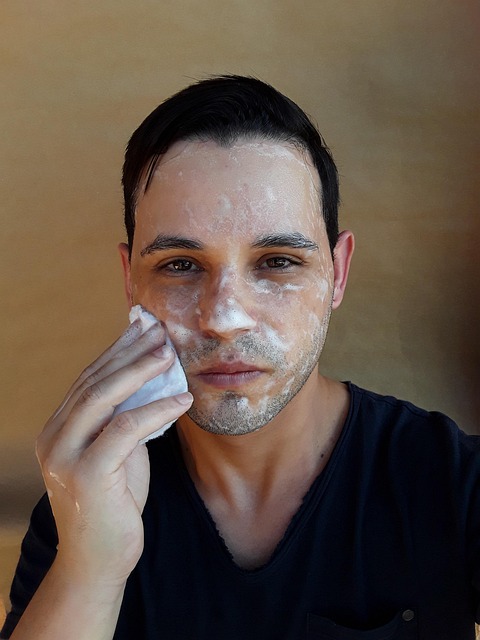
Start your evening routine with an oil cleanser to remove makeup, sunscreen, and oil-based impurities. This gentle method prevents the harsh rubbing that can damage your skin barrier. Massage for 30-60 seconds with dry hands on dry skin before adding water to emulsify.
Look for lightweight oils like jojoba, grape seed, or squalane-based cleansers. These won't clog pores but will effectively dissolve stubborn makeup and sunscreen. Even if you don't wear makeup, oil cleansing helps remove excess sebum and environmental pollutants that water-based cleansers might miss.
Step 2: Water-Based Cleanser
Follow with a gentle, low-pH cleanser to remove water-based impurities and any remaining oil cleanser residue. The ideal pH range is 5.0-6.5, which maintains your skin's natural acid mantle. Avoid cleansers that leave your skin feeling tight or squeaky clean – this indicates damage to your protective barrier.
Cream, gel, or foam cleansers all work well, but choose based on your skin type. Dry skin benefits from cream cleansers, while oily skin might prefer gentle foam cleansers. Use lukewarm water and limit cleansing to 30-60 seconds to prevent over-cleansing.
Step 3: Toner/Essence
Korean toners differ dramatically from Western astringents. Instead of stripping oils, they add the first layer of hydration and prepare your skin to absorb subsequent products. Apply with clean hands, gently patting the product into your skin rather than wiping with a cotton pad.
Look for hydrating ingredients like hyaluronic acid, beta-glucan, or fermented extracts. Avoid toners with high concentrations of alcohol or strong acids when you're starting out. The goal is to leave your skin feeling soft, plump, and ready for the next step.
Step 4: Treatment/Serum
This is where you address specific concerns with targeted ingredients. In your 20s, focus on prevention rather than correction. Vitamin C serums provide antioxidant protection, niacinamide helps with oil control and pore appearance, and gentle AHA/BHA products support cell turnover.
Start with one active ingredient and introduce it gradually. Use vitamin C in the morning and acids in the evening, always following with adequate sun protection. Remember, consistency with gentle actives beats sporadic use of high-concentration products.
Step 5: Moisturizer
Never skip moisturizer, even if you have oily skin. Choose formulations based on your skin type and the season. Lightweight, gel-based moisturizers work well for oily skin and humid weather, while cream moisturizers provide necessary richness for dry skin or cold climates.
Key ingredients to look for include ceramides, peptides, and natural moisturizing factors. These support your skin barrier and provide long-lasting hydration. Apply while your skin is still slightly damp from previous steps to lock in maximum moisture.
Step 6: Sun Protection (Morning Only)
This step is non-negotiable and arguably the most important for twenty-somethings. Korean sunscreens are renowned for their elegant textures and high protection levels. Choose SPF 30 or higher with both UVA and UVB protection.
Apply sunscreen as the final step of your morning routine, using approximately 1/4 teaspoon for your face and neck. Reapply every two hours when outdoors, or use setting powders with SPF for touch-ups throughout the day.
Building Your Routine Gradually
The biggest mistake twenty-somethings make is trying to implement a complete routine overnight. Your skin needs time to adjust to new products, and introducing everything at once makes it impossible to identify what works or causes reactions.
Week 1-2: Basic Cleansing and Moisturizing
Start with just cleanser, toner, and moisturizer plus sunscreen. Use the same products for at least two weeks to establish a baseline. This allows your skin to adjust and helps you identify any immediate sensitivities.
Focus on proper application techniques during this period. Learn how much product to use, the right water temperature for cleansing, and how to apply products without tugging your skin.
Week 3-4: Add Oil Cleansing
Introduce oil cleansing in the evenings only. Start with 2-3 times per week and gradually increase frequency as your skin adjusts. Pay attention to how your skin responds – it should feel clean but not stripped.
Week 5-8: Introduce Active Ingredients
Add your chosen treatment product slowly. Start with once or twice per week and gradually increase frequency. If you're using vitamin C, apply it in the morning before moisturizer. For acids, use them in the evening and always follow with moisturizer.
Monthly Evaluation and Adjustment
Take progress photos and notes about your skin's appearance and how products feel. Adjust frequencies, try different application methods, or switch products that aren't working well. Remember, skincare is personal – what works for others might not work for you.
Budget-Friendly Product Selection
Korean skincare doesn't have to break the bank, especially when you're starting your career. Many excellent K-beauty products range from $8-$25, making them accessible for most budgets. Focus on investing in a few quality basics rather than accumulating many products.
Smart Shopping Strategies
- Start with drugstore K-beauty brands that offer excellent quality at lower prices
- Buy travel or mini sizes when trying new products
- Look for multi-purpose products that serve multiple functions
- Take advantage of sales and sets from reputable retailers
- Read ingredient lists rather than focusing solely on brand names
Consider that a complete basic routine (cleanser, toner, moisturizer, sunscreen) can cost between $40-$80 and last 3-4 months with proper use. This breaks down to roughly $10-$27 per month – less than many people spend on coffee.
Common Mistakes to Avoid
Over-Cleansing and Over-Exfoliating
Twenty-somethings often think more cleansing equals clearer skin, but over-cleansing strips your protective barrier and can actually increase oil production and sensitivity. Stick to cleansing twice daily maximum, and avoid harsh scrubs or daily acid exfoliation.
Skipping Sunscreen
The damage from UV exposure in your 20s might not show immediately, but it accumulates and becomes visible in your 30s and 40s. Make sunscreen application as automatic as brushing your teeth. Even on cloudy days or when working indoors near windows, UV rays can still affect your skin.
Constantly Changing Products
Give products time to work. Most skincare ingredients need 4-6 weeks to show noticeable results, and some take even longer. Constantly switching products doesn't allow you to see their true effects and can irritate your skin.
Ignoring Your Skin Barrier
Focus on maintaining healthy, resilient skin rather than just addressing visible concerns. A strong skin barrier prevents many issues and makes your skin more tolerant of active ingredients when you do introduce them.
Frequently Asked Questions
Do I really need to double cleanse every night?
Double cleansing is essential only if you wear makeup, sunscreen, or heavy skincare products. If you have a minimal routine and use only lightweight products, a gentle water-based cleanser might suffice. However, if you live in a polluted area or wear sunscreen daily (which you should), double cleansing ensures complete removal of impurities and allows your nighttime products to work more effectively.
How long should I wait between applying different products?
Wait 30-60 seconds between each step to allow proper absorption, but don't let your skin completely dry out between applications. The goal is to apply each product to slightly damp skin, which helps with absorption and layering. For active ingredients like vitamin C or acids, you might want to wait a full minute to prevent interactions, but for hydrating products, shorter intervals are fine.
What should I do if my skin gets worse when I start a new routine?
Some initial adjustment is normal, but distinguish between purging and irritation. Purging occurs with active ingredients like acids and typically happens in areas where you normally break out, clearing within 4-6 weeks. Irritation involves redness, burning, or breakouts in new areas and means you should stop using the problematic product immediately. When in doubt, simplify your routine back to basics and introduce products one at a time to identify the culprit.
Starting your Korean skincare journey in your 20s sets the foundation for lifelong healthy, beautiful skin. Remember that consistency matters more than perfection, and gentle care beats aggressive treatments. Take time to understand your skin's needs and respond accordingly.
For personalized recommendations and to find the best Korean beauty treatments in your area, discover the best Korean beauty clinics with AI-powered recommendations at KBBG (kbeautybuyersguide.com).
K-POP QUIZ
✨ Which K-Pop Idol Are You?
10 questions · 20 idols · BTS, BLACKPINK, IVE & more
Find Your Idol Match →Watch on K-MEDI TV
Find Your Perfect Korean Clinic
Get personalized AI recommendations from verified government data
Try KBBG AI Search →